 En
/ €
 Français
-€0.95




Learn more...
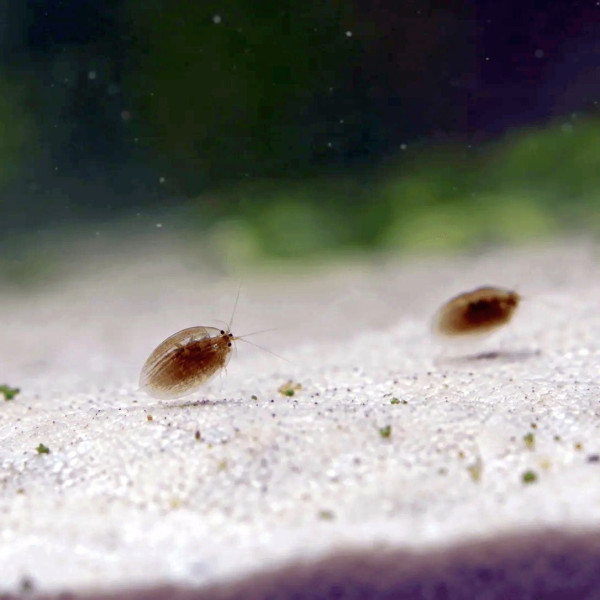
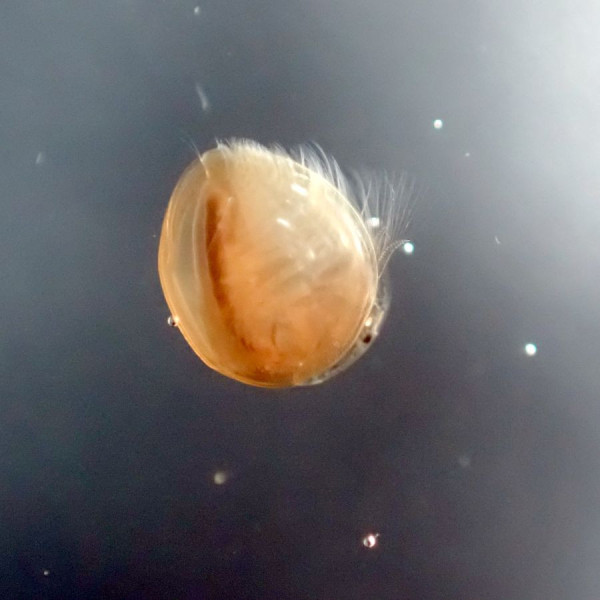
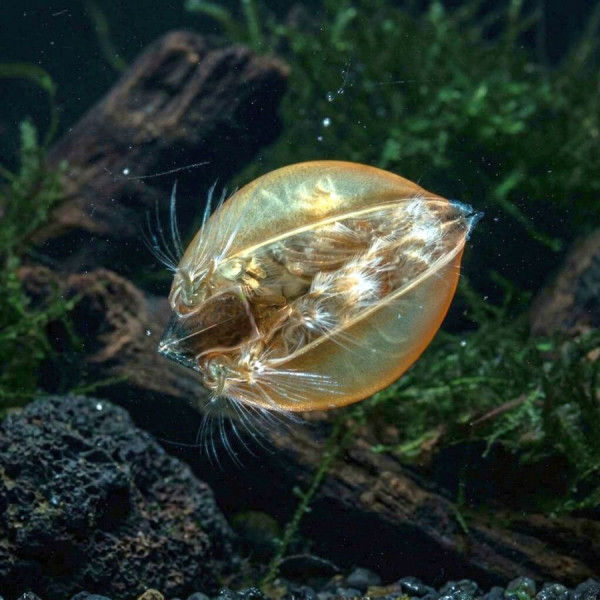
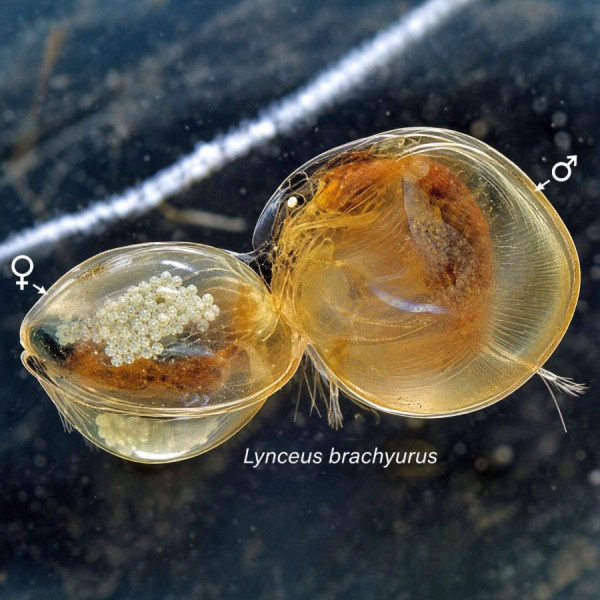
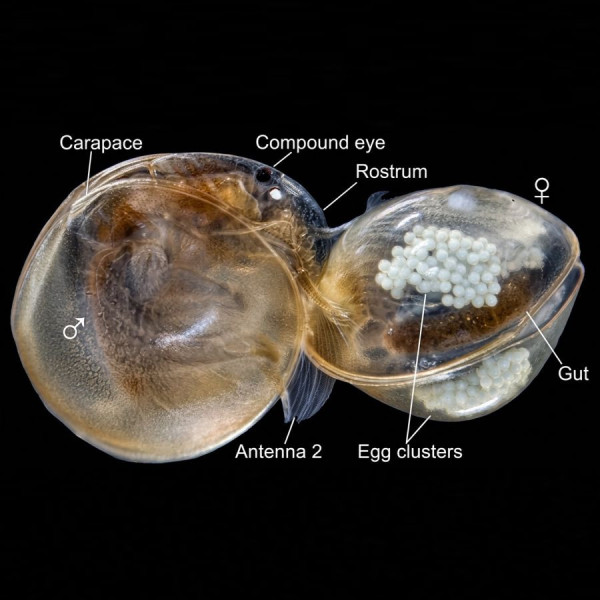
Lynceus brachyurus—known in English as a clam shrimp and in German as a Muschelschaler—is a tiny freshwater crustacean belonging to the group Branchiopoda. Its appearance is remarkably unique: its body is protected by a bivalve-like carapace, reminiscent of a small mollusk, even though it is, in fact, a crustacean equipped with numerous thoracic legs.
An inconspicuous inhabitant of temporary ponds, this micro-crustacean has a life cycle closely tied to the seasonal fluctuations of its environment. Its development, feeding habits, and reproductive strategies make it a fascinating subject for enthusiasts of aquatic biology and the keeping of small invertebrates.
Your order of Lynceus brachyurus eggs (ephippia) includes:
A fascinating interlude in the world of branchiopod crustaceans.
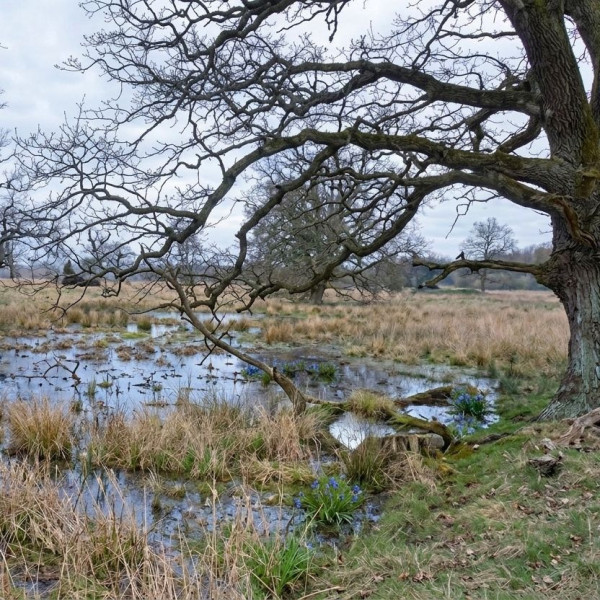
Field data from several European populations (in Denmark, Slovakia, Austria, and the Czech Republic) indicate that activity occurs primarily in the spring, though the specific timing varies by population: collections have been reported between February and May in two Danish ponds, and from late March to early June in Slovakia—with peak occurrence in May and the potential for individuals to persist as late as October. While these observations define the season during which the species is present, they do not necessarily reveal the optimal temperature for captive rearing.
However, a temperature range of 18–23°C is used for rearing our own strain of Lynceus brachyurus. This range can therefore be considered optimal for your own culture and serves as a good starting point for your experiments.
Neither field observations nor our own rearing experience suggest a need for vigorous aeration. In a small container, excessive water movement could, in fact, harm the organisms during their very early developmental stages. The essentials are elsewhere: clean water and a stable environment—free from excessive agitation—are the foundations of a successful culture.
Water changes should be carried out carefully and gradually. Use water with a temperature and composition similar to that already in the rearing container. Avoid large-scale water changes, as these could cause osmotic or thermal stress.
Due to its tiny adult size, Lynceus brachyurus is vulnerable to predation. Literature on large branchiopods indicates that these animals are generally associated with habitats where fish are either absent or scarce.
For rearing purposes, a dedicated tank without fish is therefore preferable. Coexistence with Triops or other invertebrates should not be assumed to be risk-free: predation, competition for food, and differences in environmental requirements can all compromise the culture.
This crustacean is best suited for a small-scale observational setup focused on microcrustaceans and organisms found in temporary water bodies, rather than as an inhabitant for a typical community aquarium.
One key factor distinguishes this species from many other crustaceans commonly sold to aquarium hobbyists: Lynceus brachyurus is a rare species in parts of its range and was classified as "Critically Endangered" (CR) on the French Red List of freshwater crustaceans, according to the 2012 assessment by IUCN France and the MNHN (National Museum of Natural History). A 2020 study by Durr and Thiery further highlights the vulnerability of known French populations.
The Red List serves as an assessment of extinction risk; it does not automatically imply that the possession or commercial trade of a species is prohibited. Nevertheless, the origin of any specimens and the applicable regulations must be verified before any collection, importation, or sale takes place. It is especially important never to collect individuals or sediment from a natural pond without proper authorization and an understanding of the site's conservation status.
Planet-triops.com is committed to these core principles of responsibility: we guarantee the traceability of the eggs we offer and ensure that no specimens are collected from wild populations without authorization.


