Triops Cancriformis: an overview of this species
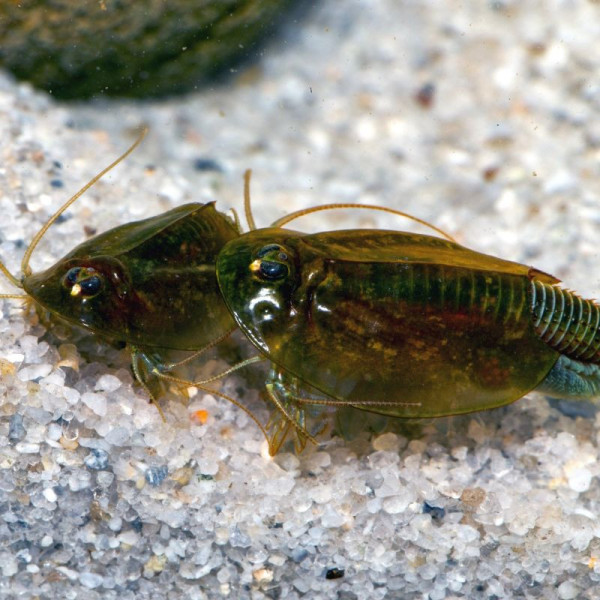
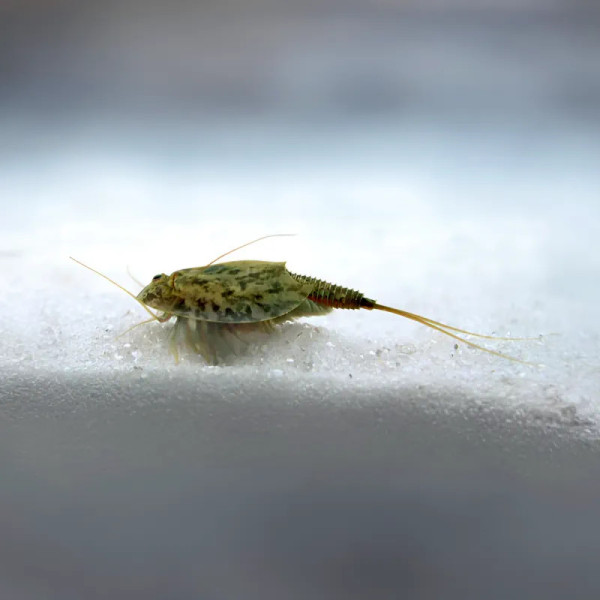
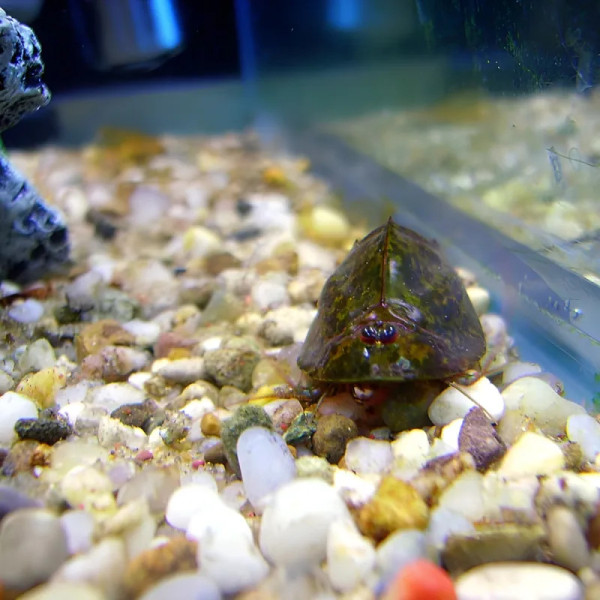
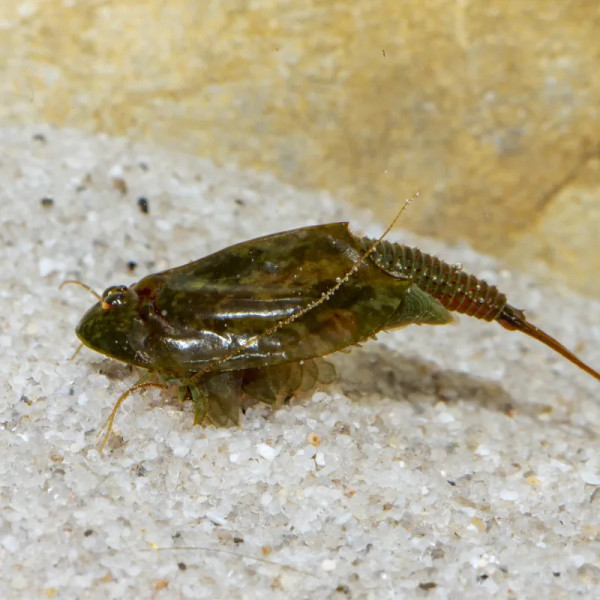
The Triops Cancriformis is a prehistoric crustacean whose species has survived for millions of years. Easy to raise, it grows at an impressive speed and offers a unique educational experience. Here is an overview of its main features:
- Life expectancy: approximately 10 to 14 weeks, depending on breeding conditions; but longevity records of 6 months have already been observed.
- Fast growth: it doubles in weight every day, reaching a maximum size of 11 cm in two months.
- Adult size: between 6 and 11 cm in their natural habitat, while in captivity they generally only reach 5 or 6 cm in length.
- Ideal temperature: between 19 and 24°C, it does not like too high temperatures.
- Natural habitat: it is a European species that has become rare and is found particularly in France (including Corsica), but also in the Middle East, notably in Israel.
- Behavior: quiet species that prefers to dig in the sand rather than swim. He is particularly peaceful and rarely displays cannibalistic behavior. In general, it spends more time searching the substrate than moving through the water.
- Reproduction: it presents several reproduction strategies. In the late 1990s, microscopic studies of male and female gonads showed that the mode of reproduction of the studied populations of Triops cancriformis is parthenogenetic and/or bisexual, and not hermaphroditic.
- Diet: species of triops that feed mainly on plankton, insect larvae, worms, chironomids and weakened tadpoles. Living on the bottom of ponds, it uses its shell to dig through mud and sediment in search of food, and captures prey using its predatory legs. Its diet being varied, it is not necessary to diversify it, because the species does not present nutritional deficiencies in these conditions.
Thanks to its rapid growth, impressive size and calm, social behavior, Triops cancriformis is ideal for exploring biology.
Contents of the 50-egg Triops Cancriformis breeding kit
The Triops cancriformis breeding kit contains everything you need to start a fascinating experiment.
At the heart of the kit, you will find:
- 50 eggs mixed with sand, ready to hatch in optimal conditions: Our recommendations for successful breeding of Triops cancriformis.
- 2 g of spirulina powder, a fine and nutritious food, ideal for nourishing Triops babies from their first days of life, until approximately 2 weeks of age.
- 2 g of specific granules, designed to ensure their growth and well-being throughout their development (replaces spirulina).
- 1 detailed instruction manual to guide you step by step in raising your triops, from hatching the eggs to maintaining the aquarium.
With this kit, you have everything you need to observe the rapid and surprising evolution of these unique creatures!
Provide an optimal habitat for your Triops cancriformis
To ensure the well-being of your Triops cancriformis, it is important to offer it a suitable environment. This allows them to live longer, grow healthily, reproduce efficiently and reduce stress. The balance of this ecosystem is based on several key elements: quality water, a stable and constant temperature, a adapted substrate, a rich and varied diet, as well as a large enough space to allow them to swim and explore. A well-designed aquarium not only becomes a balanced ecosystem, but also a real pleasure for the breeder to observe.
1. Tips for suitable conditions for cancriformis
Offer your Triops a suitable environment while respecting these essential parameters:
Aquarium characteristics
- Volume: A tank of at least 60 liters is recommended.
- pH: Ideally between 6 and 7.5.
- Hardness (GH): The water must be soft to moderately hard (GH 2-10), reproducing the natural conditions of their habitat (temporary ponds fed by rainwater).
- Temperature: Keep the water between 19 and 24°C, with a preference for 22°C.
- Water type: Rainwater is ideal, but you can also use river, pond or lake water; or even distilled water or still spring water.
Recommended equipment
- Lighting: Good lighting promotes their well-being.
- Heating: An immersion heater may be necessary if the temperature is too low.
- Thermal control: A thermometer allows you to monitor temperature variations.
- Substrate: Use quartz sand or similar substrate.
- Decoration: Add natural or artificial plants and decorative elements to enrich their environment.
By creating a setting close to their natural environment, your Triops cancriformis will evolve in optimal conditions!
2. Installation and maintenance of your Triops cancriformis
To ensure a successful hatching and good development of your Triops, follow these essential steps:
Setting up the eggs
- Carefully pour the egg and sand mixture into the aquarium water. Make sure the eggs do not stick to the sides of the tray.
- Be patient! Hatching of the first Triops babies usually occurs between 24 and 72 hours, but can sometimes take up to two weeks.
First days of feeding
- 24 hours after hatching, feed your young Triops for the first time. Use a toothpick tip to give them a very small amount of powdered spirulina (provided in the kit).
- Feed them twice a day in small quantities appropriate to their size. A little more the following days.
Food after 2 weeks
- From 10 to 15 days old, switch to a more consistent diet by giving them the pellets provided. The recommended dose is one granule per Triops per day.
Water maintenance
- To maintain a healthy environment, perform a 50% water change every week. Avoid hard, chlorinated water.
What food can we give to the Triops, once the pellets provided in the kit are finished?
Once the pellets provided in the kit are used up, you can purchase granules for Triops in the shop, or buy other pellets from a garden center (choose those suitable for bottom-dwelling fish, which will be perfect for your Triops).
Moreover, being omnivores, you can offer them a diversified diet by ensuring that the food is small so that they can consume it without difficulty. For example, you can give them dried algae or spirulina, vegetables such as pieces of carrot or zucchini, small insects or larvae.
A balanced diet will promote their growth and limit cannibalism in your aquarium.
 En
/ €
En
/ €
 Français